By Charles Gallavardin, Co-Founder of T3 Architects and Kanopya Living
As an architect specialising in bioclimatic design (T3 Architects) and a supplier of prefabricated lodges for the high-end eco-hospitality sector (Kanopya Living), I would like to discuss our recent project, Namia River Retreat. This is a high-end resort located in Hoi An, Vietnam, whose concept is clearly based on well-being in the broadest sense of the term, both in terms of respect for the environment and the welcome and services offered to hotel guests, such as all-inclusive stays including personalised individual wellness treatments, healthy eating based on local organic products, and sustainable architecture.
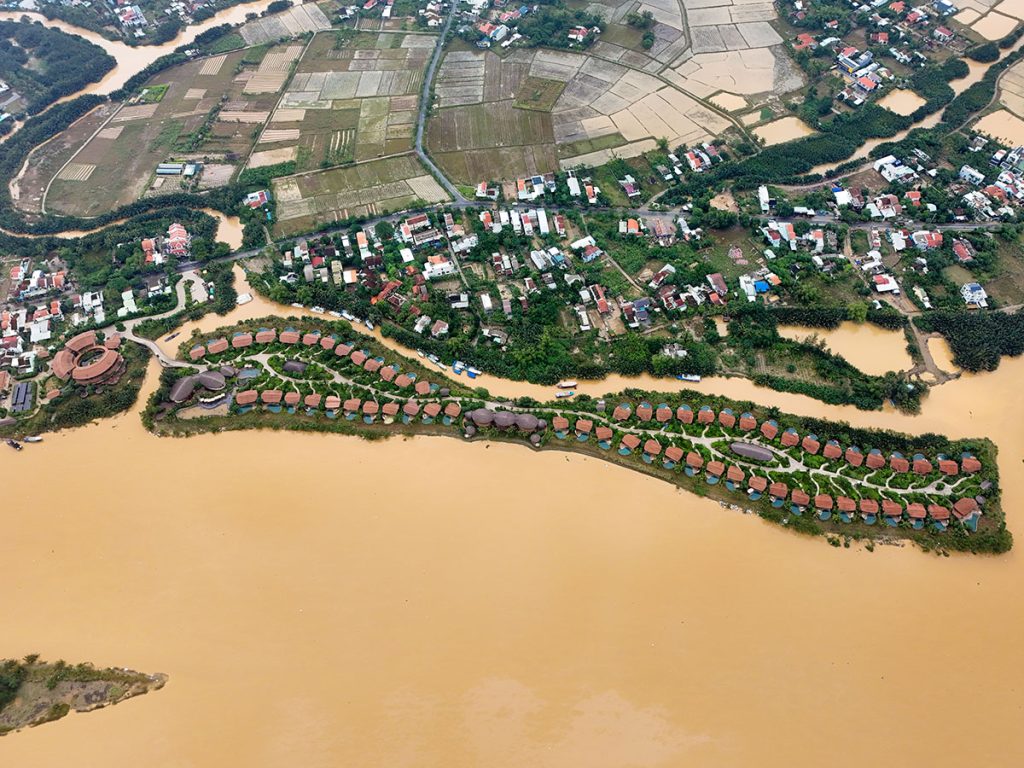
To return to the question of the link between sustainability and project economics (cost control), resilience, and guest expectations, the exceptional floods October-November 2025 in Central Vietnam showed that designing a truly sustainable hotel project ultimately addresses all these challenges. Indeed, as an architect committed to ecology, we chose to design only low-height, and therefore low-weight, buildings to avoid destabilising the riverbank land. Furthermore, with our landscape architect friends from LJ-Group, we decided to position all the buildings based on the 50-year flood level. This allowed us to avoid the worst and keep the buildings dry. It prevented major repair and maintenance costs, thus resulting in very significant savings compared to a project that would not have considered these climatic factors.
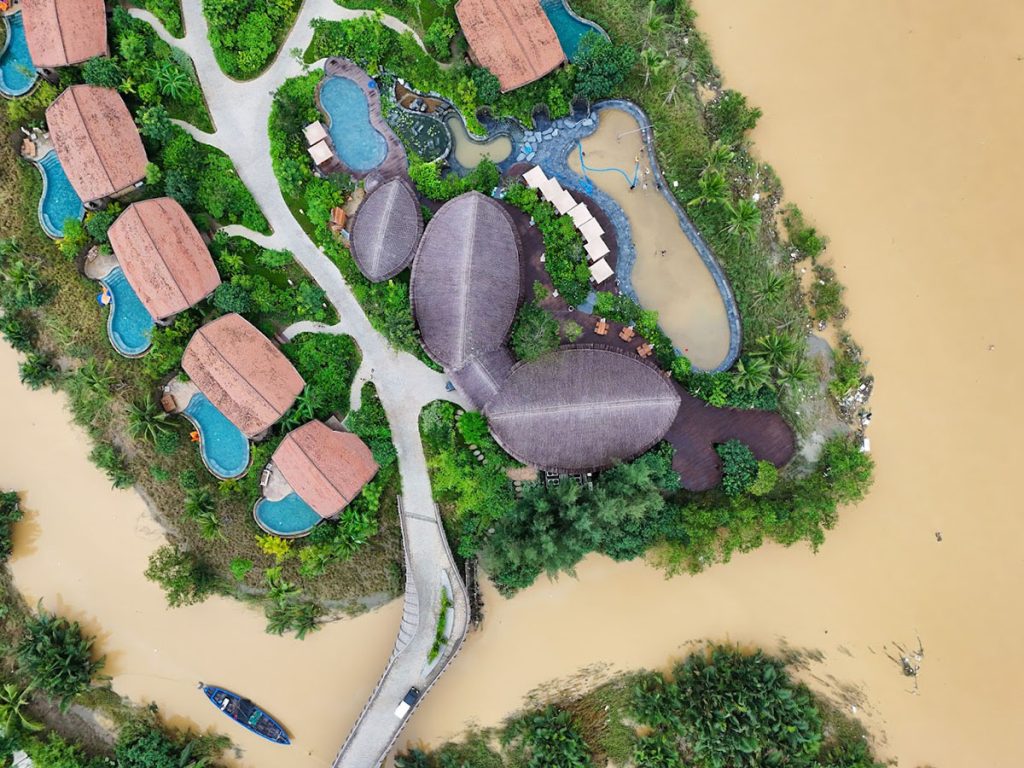
Additionally, the bioclimatic design of all the buildings, with large roof overhangs, also helped protect the facades from the weather, again avoiding significant refurbishment expenses. Regarding the garden, which was flooded, because we had anticipated this possibility, the planting of mangroves and water palms like the nipa palm trees helped maintain solid riverbanks that withstood the very strong currents during the floods. Moreover, the choice of trees and plants was made to tolerate this type of flooding, which meant that, once again, the costs incurred to restore the landscape were limited.
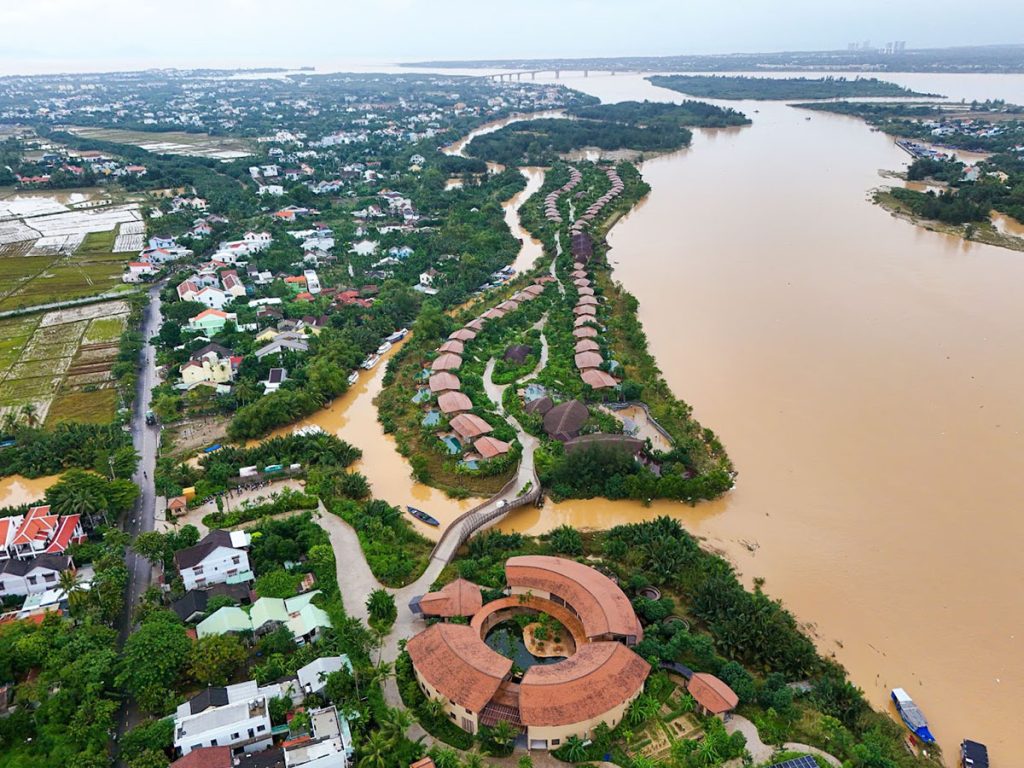
All of this demonstrates the true resilience of the Namia River Retreat project, which meets the expectations of both guests and investors — even if they need to be convinced beforehand to make the right choices regarding site planning. Guests can see for themselves the value of truly sustainable projects, which allow the resort to reopen its doors very quickly after such an extreme weather event. This avoids both cancellations during the floods themselves and, more importantly, over a much longer period for refurbishment, which would be the case for “standard” projects not designed sustainably.
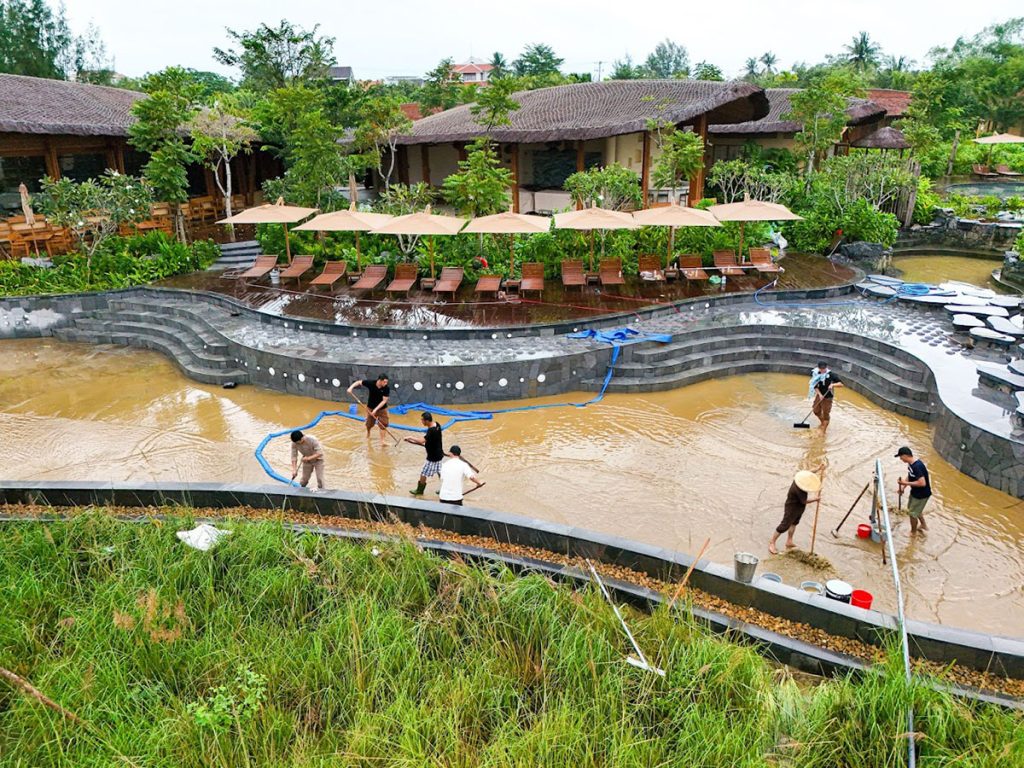
The images speak for themselves and show that Namia River Retreat, despite being on a site with certain risks due to its riverside location, is a sustainable, resilient, and cost-effective project in the short, medium, and long term. It therefore meets the expectations of clientele sensitive to ecological issues, respecting both the place and the people, such as hotel staff who are not left temporarily unemployed. This was due to a well-thought-out design from the project’s very first sketch. We can speak of “tending” the territory rather than “developing” it, following a logic of creative and happy frugality – the name of the international movement I represent in Vietnam, which points towards a sustainable and resilient path to follow for hotel projects.
Charles Gallavardin
Co-Founder of T3 Architects and Kanopya Living