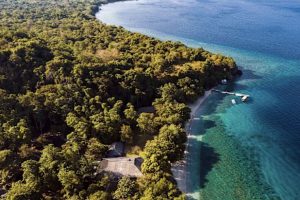
In 15 years, glamping has evolved from basic yurts to exquisite wooden palaces fit for a king
Greg Dickinson Senior Travel Writer 08 February 2025
Link: Glamping can now match the luxury of five-star hotels (for half the price)
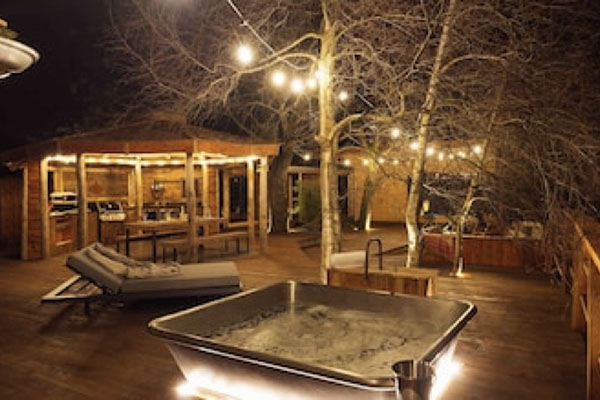
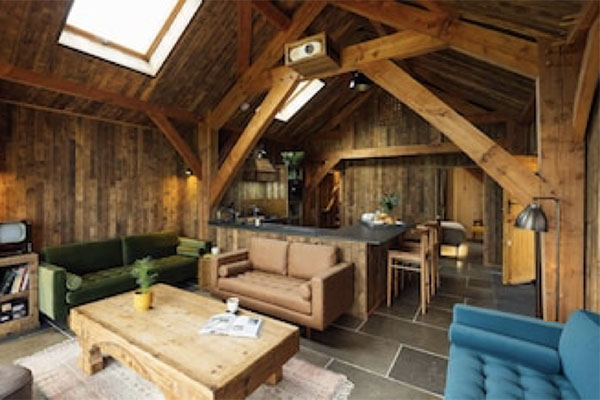
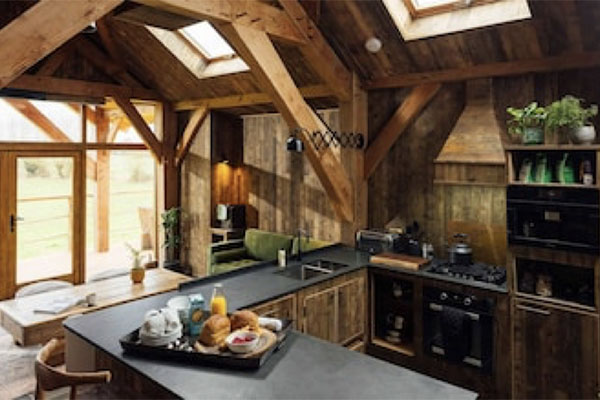
It’s every camper’s worst nightmare. There was a flash of lightning followed by a long rumble of thunder. The clouds blackened. It was time for action. I checked all of the windows were shut, threw on a bathrobe, put on my slippers and skidded across the decking to check the spa door was closed. Back safe, I notched up the underfloor heating, switched on the built-in coffee machine and pushed a button to reveal a giant projector screen.
Sorry, did I say camping? I meant glamping. I was staying at Camelot, a brand new Canopy & Stars listing located in the Arthurian lowlands of Somerset. It is a hybrid between a high-end ski chalet, a private spa and Center Parcs (it has bikes), and serves as an interesting case study into the evolution of “glamping”, 15 years after we first started using the word.
A trend older than ancient oaks
While we think of bougie camping as a modern phenomenon, the pegs for the world’s first luxurious campsites were malleted into the ground more than 500 years ago. In the summer of 1520, the Field of the Cloth of Gold was a royal summit held between King Henry VIII and King Francis I in the village of Balinghem in Pas-de-Calais. It featured great tents, music, jousting and feasts, and ended, legend has it, with an awkward wrestling match between the two monarchs. Henry lost. 12 years later, John Stewart, the Third Earl of Atholl, erected an extravagant tented camp to entertain James V of Scotland and his mother, Margaret Tudor. The structure was made of tree branches, decorated with tapestries and silk with space for a lavish banquet for international delegates. After, they burnt the thing to the ground, to the shock of the Italian Papal envoy who were led to believe this was a British custom.
Around the same time, the Turkish Ottomans were well known for erecting tents that were closer to miniature palaces than bivvy bags. During the 20th century, hunting enthusiasts, and later wildlife lovers, sought home comforts in tented safari camps in Africa’s great game reserves.
Which brings us to the next big milestone in the evolution of luxurious camping, in 2010, when the website Canopy & Stars launched as an offshoot of Alastair Sawday’s Special Places to Stay. The website originally listed just ten spaces – yurts filled with chunky cushions, shepherds huts at the bottom of long gardens – which served an emerging taste for glamorous camping, or “glamping”. Not that the founders were particularly fond of the new portmanteau.
“We didn’t actually mention the word ‘glamping’ anywhere on our website when we launched,” laughs Tom Dixon, co-founder of Canopy & Stars, dialling into our video call from his home in Dartmoor. “We weren’t huge fans of the term. It felt a bit limiting to what we were about: an experience, and a connection to nature. But that’s what people searched for.”
It was a savvy move. The word was added to the Oxford English Dictionary in 2016 and Google Trends data shows that the search term has continued to rise over the past 15 years – with notable spikes during the pandemic when social distancing and social bubble rules were being enforced.
The movement has caught the attention of modern-day royalty, too. In the last decade, Prince Harry and Meghan have gone glamping in Botswana, Prince William and Princess Catherine spent a night under the stars in luxurious digs in Uluru, and Princess Beatrice and her new husband spent their wedding night in a little wooden pod. Even King Charles has recently given the green light for a high-end glamping “village” to be built on his Sandringham Estate.
In pursuit of the extraordinary
Today, 15 years after its launch, Canopy & Stars is the world’s biggest dedicated glamping website with more than 800 listings, but the competition is ramping up. Airbnb has muscled in on the trend; the site now lists thousands of shepherds’ huts and treehouses around the world. The fact that the “hot tub” search filter is given prominence over “free parking” or “king bed” says a lot.
Other sites like Host Unusual, Unique Hideaways and Kip Hideaways have pinched their share of the market, too. Even the National Trust has a glamping section on its website. As a result, Dixon says the bar remains extremely high: “We only accept around 20 per cent of the places that apply to join us,” he says. “We need to be known as having the best of the best.”
While some of Canopy & Stars’ first yurts and shepherds huts from 2010 still remain on the site, the appetite for the extraordinary is growing. Web traffic for its “unusual places to stay” collection grew by 240 per cent between 2023 and 2024. As a result, these days the “canopy” part seems to have been quietly sidelined, even if the stars remain.
Popular listings include a pair of double-decker buses in Lincolnshire, a renovated train carriage in Dorset and a floating “mini-chateau” in the Dordogne. The truth is that a new portmanteau – “glodges” or “glabins”, perhaps – would be far more fitting than “glamping”, if only they didn’t sound like items found at the back of the throat.
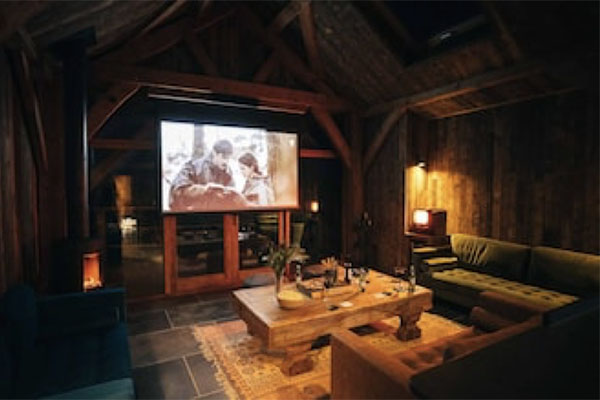
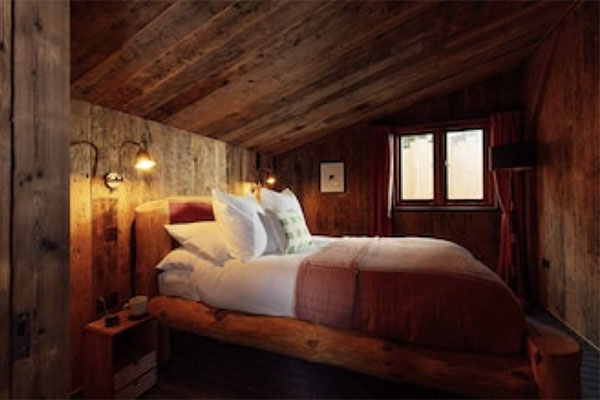
Whatever we want to call it. Camelot (Glamelot?) is destined to become a best-seller too. As always, it is the attention to detail that elevates the whole. The freshly baked loaf of bread on arrival, the fabulous vintage radio that has been upcycled into a Bluetooth speaker, the Bramley bath products.
The lodge is priced on the steeper end of things, at £499 per night. But if the three double rooms (including a hidden-away mezzanine floor) are filled, that takes the per-head, per-night cost down to £83. A fraction of what you’d pay for a five-star hotel. And each couple could enjoy their own privacy, if desired. While one luxuriates in the private indoor whirlpool Jacuzzi, another could marinate in the sunken outdoor bathtub, while the third could choose between the fire pit, the sauna, the gym or the al-fresco pizza oven.
When the storm passed, we had our pick of the lot. But the lasting memories will be the moments in between the bells and whistles. The rainbow poking into a perfectly bulbous mound beyond flooded fields. The owl whose hoots woke us in the dead of the night. The electric stars that splintered into focus when we switched off the lights on the veranda. Those universal, elemental pleasures that run deep, whether you are a fair-weather glamper, a hardcore wild camper, or – indeed – the King himself.
Greg stayed at Camelot as a guest of canopyandstars.co.uk. The cabin sleeps up to six guests, starting from £499 per night with a minimum stay of two nights on weekdays and three nights over the weekend; not suitable for children or pets.